Brazilian Foodie Treasures: Moqueca!

When discussing Brazilian cuisine, one of the country’s most cherished and delectable dishes is Moqueca!

Brazil Cuisine

Moqueca

As presented on the Brazilian Foodie Blog, Moqueca was originally created by the native people of Brazil. This seafood stew is slowly cooked and simmered in a clay-pot and made with some of the freshest and best ingredients Brazil has to offer.

The dish evolved during Brazil’s colonial era when the Portuguese brought coconuts to the country (and planted the coconut trees all along the coast replacing the prime wood that was taken) and the African slaves introduced Palm Oil.

There are two variations of this dish: Moqueca Baiana (from the northeast State of Bahia) and Moqueca Capixaba (from the Southeast State of Espirito Santo), the main difference being that coconut milk and palm oil are only used in the Baiana recipe.

Paraty Brazil

Paraty Cooking School

On a recent visit to Paraty, a quaint colonial town along the Brazilian Green Coast, my family and I took part in a cooking class at the Paraty Cooking School and learned how to make the following Moqueca recipe. The Paraty Cooking school is run by a wonderful Brazilian/American couple that host guests in their colonial home while teaching them how to make some of Brazil’s most famous dishes and drinks and discussing the incredible history of local gastronomy; once finished, everyone sits down and enjoys the fruits of their labor over a five-course meal! It is a relaxed environment and a great place to meet other travelers as well (each class consists of a maximum of 8 guests).

(Please note: this dish can easily be made vegetarian by substituting the fish stock for vegetable stock and adding palm heart instead of fish. This vegetarian alternative is also vegan.)

Paraty Brazil

Getting goofy in the kitchen: Paraty Cooking School

Seafood Moqueca Paraíso Tropical

Serves 8

Seafood

  • 1/2 pound mussels, washed and debearded
  • 2–3 pounds fish filets (hake, king fish, monk fish, tile fish)
  • 1/2 pound shrimp, peeled and deveined
  • 1/2 pound sea scallops, washed
  • Juice of 2 limes
  • 12 teaspoons salt, divided
  • 8 teaspoons pepper

Moqueca

  • 1 cup coconut milk
  • 1 fresh green coconut or 2 cups bottled coconut juice
  • 2 cups peeled and julienned onions
  • 3 large red bell peppers, cored, seeded, and cut in julienne
  • 1 pound tomatoes, peeled, and seeded, and cut in julienne or 1 (16-ounce) can tomatoes
  • 1/2 cup coarsely chopped cilantro
  • 1/2 cup coarsely chopped parsley
  • 1/2 cup coarsely chopped scallions
  • 1/4 cup vegetable oil
  • 1/4 cup palm oil
  • 1/4 cup finely chopped onion
  • 6 garlic cloves, finely chopped
  • 1/2 cup finely chopped cilantro, divided
  • 1 bay leaf, crumbled
  • Pepper to taste
  • 3 cups fish stock, divided
  • 3 tablespoons palm oil, preheated in the microwave for 1 minute or in boiling water for 3 minutes

Seafood

  1. Place the mussels on a tray and refrigerate.
  2. Place the fish fillets, shrimp, and scallops on a deep platter. Sprinkle with lime juice, 6 teaspoons salt, and 4 teaspoons pepper, and marinate for 1⁄2 hour. Strain before using.

Moqueca

  1. Cook and serve the moqueca in the same pan. Use an earthenware or braiser pan.
  2. If you are using a fresh green coconut, make a hole with a sharp knife. Pour the coconut water into a container and reserve. (If you are not using immediately, keep refrigerated.) Open the coconut in half and scoop out all the white pulp with a spoon and place in a bowl. Blend the juice with the pulp and reserve.
  3. If using bottled coconut juice, whisk it with the coconut milk. Reserve.
  4. In a large bowl, toss the onions, bell peppers, tomatoes, and the coarsely chopped cilantro, parsley, and scallions. Reserve.
  5. In a large pan or braiser, heat the vegetable oil with the palm oil and sauté the chopped onion for 2 minutes; add the garlic and 1⁄3 of the finely chopped cilantro and stir well. Add the bay leaf, season with 6 teaspoons salt and 4 teaspoons pepper, and add 1 cup of the fish stock. Let simmer for 5 minutes. Remove pan from heat and let cool for 10 minutes.
  6. Make layers, alternating the vegetables and herbs with the fish, shrimp, and scallops, ending with the vegetables, mussels, and herbs.
  7. Pour the coconut mixture and 1 cup of fish stock around the layers. The liquid should barely cover the fish and vegetables. Cook, covered, over medium high heat for 15 minutes. Check the seasonings and adjust if necessary. Add preheated palm oil evenly around the pan. Lower the heat and simmer, uncovered, for another 10 minutes. Sprinkle with the remaining cilantro.
  8. Serve at once with white rice, Palm Oil Farofa, and Malagueta Hot Pepper Sauce.

Want to add Paraty Cooking School to your next Brazil adventure? Check out the following itineraries where this can easily be included:

Don’t see what you’re looking for? Contact us!

Your friendly Brazil expert,

Gretchen

Posted in Brazil, Family Travel, South America | Tagged , , , , , , , , , , , , , , | Leave a comment

NEW TRIP: 3-Day Unique Amazon Bungalow Adventure

Explore the Brazilian Amazon with your family or group of friends while staying at the unique Manati Bungalow Lodge, run by a charming local family. Experience what living in a traditional Amazon bungalow is like. Perfect for small groups of friends or families, this five-bedroom adventure hub is the perfect place to use as a base for your next Amazon adventure. Each day and night set out canoeing, wildlife spotting, trekking, swimming with pink dolphins or visiting local communities as you discover the surrounding jungle!

Brazil Amazon

Manati Lodge, Brazil Amazon

3-Day Unique Amazon Bungalow Adventure

ITINERARY:

Sloth Amazon

Sloth Amazon

Day 1: Transfer from Manaus to Amazon Lodge

Visiting: Amazon

Leave Manaus at 08:30 AM by car and drive for 1 hour on the AM070 highway, crossing the famous Rio Negro Bridge. We then continue by boat, for 45 minutes (or 1.5 hours, if during dry season). Upon arrival at Manati Lodge, you will be shown to your room and around the lodge. At noon, we will leave by canoe to explore the igapós. Enjoy the afternoon at leisure in one of the lodge’s numerous hammocks, swimming or relaxing until dinner at 7 PM. After dinner, we set out in boats to search for caiman!

  • Meals: LD
  • Budget Lodging: Manati Lodge
pink dolphin amazon

Pink Dolphin Amazon

Day 2: Exploring the Amazon

Visiting: Amazon

Breakfast will be served at 7:30 am. Then depart the lodge for trekking in the Rainforest! Return to the Lodge for lunch and then set out in motorized canoes to try your hand at fishing. Dinner will be served at the Lodge. This evening, enjoy the sounds of the jungle at leisure relaxing.

  • Meals: BLD
  • Budget Lodging: Manati Lodge
Brazil Amazon

Ocelot, Manati Lodge, Brazil Amazon

Day 3: Return to Manaus and departure

Visiting: Amazon

Rise early and witness one of the world’s most spectacular sunrises while floating along the Rio Negro. Breakfast will be served back at the lodge. After breakfast, paddle off in canoes to visit the pink dolphins nearby. Finally head back to the lodge for lunch and then return to Manaus for departure or your next destination.

  • Meals: BL

This itinerary is easily paired with the following Brazil adventures:

9-Day Sao Paulo, Paraty, and Rio de Janeiro

3-Day Iguazu Falls Discovery

4-Day Rio de Janeiro Essentials Adventure

4-Day Hidden Pools and Dunes of Lencois Maranhenses

Want to book your next Brazil adventure? Contact us!

Your friendly Brazil expert,

Gretchen


Posted in Amazon, Brazil, Family Travel, South America | Tagged , , , , , , , , , | Leave a comment

South America Luxury Deals For 2017

Looking to upgrade your next South America adventure for a lower cost? Take a look at the following deals coming up in 2017 at some of the top luxury accommodations in South America!

CHILE

Awasi Atacama

Awasi Atacama

AWASI ATACAMA

Guests can take advantage of Awasi Atacama’s Stay 4 Pay 3 offer, where they can book a minimum three night stay and receive one complimentary night. Valid only until 30 September 2017, in a double room only.

PERU

Explora Sacred Valley

Explora Sacred Valley

EXPLORA SACRED VALLEY

Offer your guests the unforgettable opportunity to explore the Sacred Valley and its surrounds with Explora Sacred Valley’s special offer of a 40% discounted stay.

  • Only valid for new reservations
  • Offer valid for stays between 01 May and 31 October 2017
  • Subject to availability
  • This discount is not applicable to for groups of over 5 rooms

ECUADOR/GALAPAGOS

Galapagos Safari Camp

Galapagos Safari Camp

GALAPAGOS SAFARI CAMP

From September 20 to December 15, Galapagos Safari Camp is offering fantastic savings on its 4-night/5-day Classic Safari, for groups of 6 guests or more, which will receive a complimentary night at the property.

  • No fixed arrival/departures dates
  • Includes guided tours on Santa Cruz Island
  • Boat excursions to nearby island
  • VIP Service at the airport in Galapagos, on arrival and departure
  • All meals and equipment

Want to book your next South America luxury experience? Contact us!

Your friendly South America expert,

Gretchen

Posted in Argentina, Brazil, Chile, Colombia, Easter Island, Ecuador, Galapagos, Inca Trail, Luxury, Machu Picchu, Patagonia, Peru, South America, Specials | Tagged , , , , , , , , , , , , , , , | Leave a comment

5 Reasons Why Muyuna Lodge and Iquitos Are a Must For Your Next Peru Adventure!

Deep in the rainforest, up the Amazon River, outside of the jungle city of Iquitos, one finds the Muyuna Lodge!  This is a small rainforest lodge, secluded, intimate, that GUARANTEES the observation of monkeys, birds, sloths, pink dolphins, fish, caimans, and more, in their own habitat.

Sloth Amazon

Sloth Amazon

The bungalows are comfortable, with en suite bathrooms and terraces facing the river.  As the lodge is small, the personalized service quality is comparable with luxury hotels, always maintaining respect for the local environment.

Muyuna works in conjunction with the local neighboring village and community.

For your next Peru adventure, here are five reasons why you should consider adding Muyuna Lodge and Iquitos to your itinerary!

1. Iquitos is the only place in Peru where you can see the authentic AMAZON RIVER.

2. Iquitos is much less visited by large groups of tourists than Cusco and Puerto Maldonado. 

Indeed, the service is more personalized in Iquitos area.  GROUPS ARE SMALLER.  For example, in Muyuna one guide is the responsible for only six passengers at a time maximum.

pink dolphin amazon

Pink Dolphin Amazon

3. Muyuna offers an activity to have breakfast on board with the PINK DOLPHINS playing around the boat. 

After this, you can swim with them.  In fact, the pink dolphins live only in the Amazon River (Inia geoffrensis).

4. The VICTORIA REGIA only exists here. 

This is the largest aquatic plant in the world.  It can grow up to two meters wide!

Muyuna Lodge

Muyuna Cabanas

5. You can COMBINE a night in Iquitos and then go to the jungle. 

In Iquitos, there are basic hostels to 5 stars hotels, plus many local activities to take part in: tropical parties, the famous Belen Market selling all kinds of oddities and wonderful items from all over the Amazon, a gourmet floating restaurant, butterfly farm, Manatee Rescue Center and more!

Want to add Iquitos to your next trip to Peru? Contact us!

Your friendly South Amercia expert,
Gretchen

Posted in Amazon, Peru, South America | Tagged , , , , , | Leave a comment

Why AWR is the Best Kilimanjaro Guide Company

Summit of Kilimanjaro

Climbing Kilimanjaro is a once in a lifetime vacation, and you want to have the very best experience possible.  Your guide company will be the biggest factor in achieving your goal of climbing Kilimanjaro.

These are the main areas to look at when selecting a Kilimanjaro guide company:

  1. Safety & Experience
  2. Guides
  3. Equipment
  4. Food
  5. Responsible Travel
  6. Customer Service
  7. Price

With Adventures Within Reach, safety is our highest priority.  Our guides, equipment, food, and customer service are of a higher standard than our competition.  We offer all this at a competitive price.  This combination results in very high summit success rates.

Note that the areas that we do not have control over are

  1. Your preparation (training and gear)
  2. Weather
  3. Factors out of our control (lost luggage, cancelled flights, etc.).

These can all impact your trip, but we can help minimize some of these issues.

1. Safety & Experience

AWR has been offering Kilimanjaro treks for over 17 years.  Our sales staff has climbed Kilimanjaro on multiple routes, so we can answer your questions.

All treks have a pulse oximeter, which measures pulse rate and oxygen saturation.  Your guide will test your oxygen levels at least twice a day.  This measurement is one way to see how well you are acclimatizing on the trek.

Our Kilimanjaro guides are certified Wilderness First Responders (WFR).  They receive ongoing training in first aid and acute mountain sickness (AMS) so that they are up-to-date on the best ways to treat injuries and sickness.

All guides carry a phone for emergency use.  Oxygen and hyperbaric bags are available to rent on your trek.


2. Guides

Kilimanjaro GuidesAs on any trip, the guide really makes the difference in an amazing experience.  Our guides are selected on their history of experience, safety, trek management, mountain knowledge, leadership abilities, and personality.

Our treks have 1 lead guide and 1 assistant guide for every 4 people (a 1:2 ratio).

Kilimanjaro guides are trained and certified by the Kilimanjaro National Park. They start out as porters and work their way up to assistant guide. When they are ready to advance to a lead guide, they go through the national park certification process.  Our guides also go through additional training like Wilderness First Responders (WFR), first aid, acute mountain sickness (AMS), and customer service.


3. Equipment

Tents and dining tent on KilimanjaroWe take our equipment very seriously and make sure everything is in good working order.

  • Tents: 3-person dome-style 4-season mountain tents for 2 people (Mountain Hardware or similar) with 4 poles to withstand high winds.
  • Sleeping pad (non-inflatable 2-inch pad with nylon cover)
  • Oximeter (1 per group)
  • Spacious dining tent, dining table, and stools
  • Cooking utensils, equipment, and supplies
  • Eating dishes and utensils
  • Wash basins and soap

Equipment is selected to provide a comfortable experience on the trek.


4. Food

Meals on KilimanjaroOn the mountain, you are served breakfast, lunch, afternoon tea, and dinner.  All meals are hot, including lunches if the weather allows.  We use fresh, local food that is plentiful and delicious.  It is resupplied mid-trek. Our chef is continually improving the menu to offer variety and nutrition including ample protein.  We cater to special diets including vegetarian, vegan, and gluten-free.

Water is boiled in the morning and evening to refill your water containers with safe water to drink.


5. Responsible Travel

Sustainable TravelAdventures Within Reach is a partner of the Kilimanjaro Porters Assistance Project (KPAP).  This is an independent non-profit that oversees the proper treatment of porters on Kilimanjaro (wages, clothing, weight limits, food, shelter, etc.).  We strongly believe in taking great care of our staff!

We also believe in the principles of Leave No Trace.  It benefits all of us to be environmentally and socially responsible on the mountain and everywhere we travel.


6. Customer Service

Porters putting up tents on KilimanjaroIn the end, a good travel experience is all about the people.  We try to respond to all requests and questions within 24 hours.  We can accommodate special requests (special diets, customized itineraries, celebrations, etc.).  We have options to fit your budget — lower cost group treks up to luxury Kilimanjaro treks.

AWR has been offering Kilimanjaro treks for over 17 years.  Our sales staff has climbed Kilimanjaro on multiple routes, so we can answer your questions and tell you honestly what is it really like.


7. Price

Climbing Kilimanjaro is not a cheap trip, so you want to have the best experience without overpaying.

Adventures Within Reach is a mid-priced operator — not the cheapest and not the most expensive — but we are a great value for the price.  There is no need to pay double the price for the same services.  Low priced operators will cut corners on safety, equipment, food, and often treat porters very poorly.  We offer a great value for the price!

Save

Save

Posted in Kilimanjaro, Tanzania, Trekking | Leave a comment

Tips About New Machu Picchu Limited Time Shifts

Machu Picchu

Machu Picchu

The Ministry of Culture has decreed that as of July 1st, 2017, the entry to the Machu Picchu citadel will now be split into two separate time shifts:

Morning Shift: 06:00-12:00

Afternoon Shift: 12:00-17:30

It has been agreed that the time spent in the citadel of Machu Picchu will be held to a maximum of 4 hours from the hour of entry. Huayna Picchu and Machu Picchu Mountain will remain the same as they are; they have not been modified.

The implementation of this new regulation will go through a 4-month transition period, during which authorities will act accordingly with discretionary flexibility until gradually enforcing the totality of the new ruling.

Today 70% of daily visitors stay between 06:00 to 10:00, while only 11% visit during 12:00 to 16:30. The adjustments will ensure a better flow and experience for tourist visits and ultimately greater conservation of the Incan ruins.

The new tickets sales commenced on May 29, 2017.

AWR Notes on this new decree:

  • For group guided tours, they will now all have to be during the morning
  • Guided visits in the afternoon must be done on a private basis
  • If guests want to stay for part of the afternoon, they need to buy another entrance ticket.  However, it IS permitted to do a guided tour in the morning and then climb Huayna Picchu or hike to IntiPunku, and run over the “noon deadline” for the time being.
  • We are highly encouraging our travelers to extend their Machu Picchu visit to two days now so that they have one day to get there and have the second day with a full morning at Machu Picchu
  • Should passengers want to do a 1-day visit of Machu Picchu from Cusco, they will have to depart Cusco between 6:30AM-7:30AM (depending on the train line they prefer) to arrive in time for the noon afternoon shift start
  • Passengers wishing to visit Machu Picchu in the morning MUST spend the night in Aguas Calientes the night before
  • Inca Trail Trek schedules are not affected

Want to plan your next adventure to Machu Picchu? Contact us!

Your friendly Peru experts,

Gretchen and Barb


Posted in Inca Trail, Machu Picchu, Peru, South America, Trekking | Tagged , , , , , , , , | 1 Comment

Top 4 Festivals in Bhutan (Tshechu)

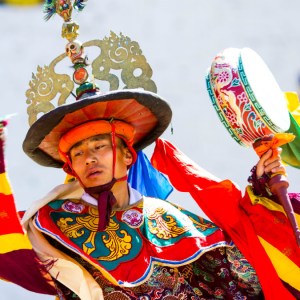
Bhutan Festivals Tshechu

Bhutan’s festivals are extremely lively and vibrant. With traditional mask dances, dramas and delicacies, they attract thousands of tourists every year.

We recommend at least an 8-day Bhutan Cultural Tour to include a festival.

Tshechus, held on the tenth day of a month of the lunar calendar, are among the most celebrated festivals, particularly the Paro Tshechu (Spring Festival) and Thimphu Tshechu (Fall Festival). Entire communities come together in colorful Bhutanese attire to receive blessings, socialize, make merry and rejoice in the festive mood.

Flights and hotels book up fast around the festival dates, so you will want to book 6-12 months in advance!

Why be a part of the Bhutanese festival?

  • Join the locals in their finest attires
  • Realize the meaning of life through the acts of dances
  • Receive blessings from rare displays of sacred relics
  • Dress in Bhutanese costume by choosing your favorite color
  • Relish festival meals like the locals

More Bhutan Festivals (Tshechus) >>

1. Paro Tshechu

Bhutan Cultural ToursHeld every spring, Paro Tshechu is one of the most colorful and significant events in Paro district. The Tshechu is considered a major attraction and people travel from neighboring districts to participate in the festivity. At dawn on the last day of the celebration the monks display a gigantic thangkha (embroidered painting), the Guru Throngdel, inside the dzong. Thongdrols are impressive examples of Buddhist art and keep spectators in awe. Simply viewing a Thongdrol is considered so pure, it is said to wash one’s sins away.

  • Paro Tshechu Dates: March 27-31, 2018

2. Thimphu Tshechu & Thimphu Drubchen

8-Day Bhutan Cultural Tour driving to Bumthang Valley and then flying backOne of the biggest festivals in the country is the Thimphu Tshechu. Several days prior to this grand festival, the Thimphu Drubchen takes place where thousands of people travel to the capital city and offer prayers and rituals to invoke the gods. Held at the Tashichho Dzong, both these festivals are among the extremely popular festivals in Bhutan.

When it was initiated by the 4th Desi, Gyalse Tenzin Rabgay in 1867 the Tshechu consisted of only a few dances being performed strictly by monks. Later in the 1950s, the third King Jigme Dorji Wangchuck, introduced numerous mask dances performed by lay monks that added color and variation to the festival without compromising on its spiritual significance. Mask dances like the Guru Tshengye (Eight Manifestations of Guru), Shaw Shachi (Dance of the Stags) are enjoyed because they are similar to stage-theater. Short skits are also performed to spread health and social awareness messages.

These festivals are also a break for farmers from their farm life who celebrate, receive blessings and pray on this happy occasion.

  • Thimphu Drubchen Dates: Sept 26 – 29, 2017
  • Thimphu Tshechu Dates: Sept 30 – Oct 2, 2017

3. Punakha Tshechu

Adventure Cultural Tours in BhutanAfter several requests made by Punakha District Administration and local people, Punakha Tshechu was introduced in 2005 by the 70th Je Khenpo Trulku Jigme Choedra and the then Home Minister His Excellency Lyonpo Jigme Yoedzer Thinley. This Tshechu was established to better preserve Buddhist teachings and keep alive the noble deeds of Zhabdrung Rimpoche, the unifier of Bhutan.

This festival not only plays an important role in preserving Bhutan’s rich culture and traditions but also provides devout Buddhists with an opportunity for prayer and pilgrimage. They reflect the richness of the Bhutanese cultural heritage and are very special for both Bhutanese and tourists who visit Bhutan.

  • Punakha Tshechu Dates: February 25-27, 2018

4. Black Necked Crane Festival

Visit Bhutan for a cultural festivalThe Black-necked Crane festival is celebrated annually in the courtyard of Gangtey Gonpa, in Phobjikha valley. Unlike other festivals, this festival is celebrated to mark the arrival of this endangered and majestic bird which becomes an inseparable part of the locals’ daily lives during winter.

Organized to generate awareness on the importance of conserving the endangered Black‐necked cranes, the one day festival includes cultural programs such as folk songs and dances (some with black-necked crane themes) and mask dances performed by the local people, crane dances and environmental conservation-themed dramas.
The festival has become a part of the local culture in Phobjikha valley ever since it was first initiated by the Royal Society for the Protection of Nature (RSPN) in 1998.

  • Black Necked Crane Festival Dates: November 11, 2017

All Bhutan Cultural Tours >>

Most popular cultural tours and adventure in Bhutan

Save

Save

Save

Posted in Bhutan | Leave a comment

Linking Must-see Destinations in Argentine Patagonia

Patagonia, the vast, rugged landscape of southern Argentina and Chile, takes up roughly 1 million square kilometers. That said, it can be tricky, when planning a trip to Patagonia, to link several of the must-see destinations in one fluid trip.

Laguna Los Tres

Laguna Los Tres, El Chalten

Two of the most famous areas in Argentine Patagonia are: El Chalten/El Calafate and Peninsula Valdes. As the bird flies, the distance between Trelew (airport for Peninsula Valdes) and El Calafate (airport for El Calafate and El Chalten) is ~950 km. There are two primary ways of getting between these destinations:

  • Plane
  • The bus

PLANE:

There are no direct flights from El Calafate to Trelew. The fastest option is flying from El Calafate to Buenos Aires (Jorge Newberry Domestic airport) and from Buenos Aires to Trelew. The total travel time for this option is around 6 hour and 25 mins. Flights cost between $310-$500 USD. This flight is only on Sunday and departs El Calafate at 7:55 AM and arrives in Trelew at 14:20 (2:20 PM). Some travelers prefer not to go through Buenos Aires and opt for a flight from El Calafate to Ushuaia and from Ushuaia to Trelew. The total travel time for this route is 7 hours 30 mins. Flights cost between $310-$500 USD. This flight offered every day except Wednesdays and Saturdays. The flight departs El Calafate at 9:45 AM and arrives in Trelew at 17:12 (5:12 PM).

Peninsula Valdes

Whale watching, Peninsula Valdes

BUS:

For travelers with a bit more time and wanting to really dive deep into the heart of the Patagonian landscapes, there are two bus options:

  1. The fastest: Take a bus from El Calafate to Rio Gallegos (a bus leaves every 4 hours). The trip is 4 hours long. Then, transfer in Rio Gallegos to a bus to Puerto Madryn. Buses to Puerto Madryn leave 4 times a day. The ride is 17 hours and 30 mins.
  2. Take a bus El Calafate to Luis Pedra Buena. There is only one bus a day. The trip is 30 hours and 15 mins. Then transfer to a bus to Puerto Madryn. There are two buses daily. The trip is 14 hours and 45 mins.
El Chalten

Driving to El Chalten

Want to plan your next Patagonian escape? Check out the following adventures:

Don’t see what you want? Contact us – we can happily customize a personalized trip for you!

Your friendly Patagonia expert,

Gretchen

Posted in Argentina, Chile, Family Travel, Patagonia, South America | Tagged , , , , , , , , , , , , , , | Leave a comment

Top 9 Elite Luxury Safari Lodges and Tented Camps in Tanzania

Lake Manyara Tree Lodge / Ngorongoro Crater Lodge / Serengeti Under Canvas / Klein’s Camp

The ultimate safari experience #1!  These lodges offer the very best in luxury.  They can be visited individually, but they are often combined in one safari experience for a better overall price.  You will want at least 2 nights at each location.  You can fly or drive between the lodges and camps.


Tarangire Treetops / The Manor at Ngorongoro / Serengeti Migration Camp

The ultimate safari experience #2!  This is another great combination of uber luxury safari accommodations.  Together, they offer separate unique experiences — treehouse, an English manor, and a bush tent experience.  Our 8-Day Fly In Luxury Tanzania SkySafari includes these 3 options.


Soroi Serengeti Lodge

Each Chalet features a writing desk and chair, mini-fridge and en-suite bathroom with a stand-alone bath, an outside shower for the more adventurous and a full range of guest amenities. The Suites enjoy an extended Lounge area with WIFI and Satellite TV.


Gibb’s Farm

Gibbs Farm is a beautiful lodge set on ridge overlooking the Ngorongoro Conservation Area. It is a working farm so much of the food served comes fresh from the gardens. There are also many activities offered, which makes it a great break from the daily game drives.


See all Elite Luxury Safari Lodges >>

See all Safari Lodging options:

Posted in Luxury, Safari, Tanzania | Tagged , | Leave a comment

Bonito, Brazil Voted National Geographic’s #1 Destination for Summer 2017

Bonito is a town in the state of Mato Grosso do Sul, world famous for its ecotourism. Boasting magnificent natural landscapes, especially the water attractions, snorkel or even scuba dive in crystalline rivers with an abundance of varied wildlife: tropical colored fish, monkeys, macaws and more! Besides the beauty of its rivers there are also totally or partially flooded caverns, formed thousands of years ago in the local limestone; rappel deep into the caverns and discover the astonishingly massive stalagmites and stalactites!  Finally, hike through lush forest to numerous hidden waterfalls where you can swim in the lagoons behind the inviting curtains of cascading water.

Bonito Brazil

Waterfalls at Estancia Mimosa, Bonito

This year, Bonito was voted as National Geographic’s #1 destination on their list of Top 10 places to visit in the Summer of 2017!

Check out our 4-Day River Snorkel and Waterfall Walks in Bonito for your next summer adventure!

Bonito

Rappelling into the Abyss

Day 1: Arrival in Campo Grande and transfer to Bonito

Visiting: Bonito

Airport arrival at Campo Grande, from where we’ll transfer to Bonito, a small village in the state of Mato Grosso do Sul surrounded by extraordinary nature.

  • Meals:
  • Budget Lodging: Pousada Pirá Miúna
Bonito

Scuba diving in Rio Prata

Day 2: River Snorkeling at Rio da Prata + Taboa Cachaça Visit

Visiting: Bonito

In the morning we leave the hotel bound for a fascinating tour that takes place amid various schools of fish in the Recanto Ecológico do Rio da Prata. When we get there we will receive guidance and equipment (mask, snorkel, life jacket, neoprene clothing and rubber sneakers – included). We will be surrounded by piraputangas, dourados, curimbatás, piaus, matogrossinhos and other fish in the area. On the way, we will stop at Vulcão Olho d’Água, a place where we can snorkel to feel the water that flows from the bottom of the river until we meet with the Rio da Prata and follow the last stretch floating in water or on a support boat.

On the way back we’ll participate in two workshops, including an experience with clay and working with cattail straw, understanding the manufacture of coated bottles and other handicrafts. There is also a passage through the garden, where we’ll get to see over 50 different herbs. The tour ends with tasting twenty varieties of Taboa cachaça and a visit to the store where we can purchase unique bottles of Taboa, plus unique handicrafts made at the factory. We return to Bonito for the night.

  • Meals: B
  • Budget Lodging: Pousada Pirá Miúna
Bonito

Fish in the crystal clear waters of Bonito

Day 3: Waterfalls at Fazenda Ceita Corê

Visiting: Bonito

In the morning we visit the fazenda Ceita Corê, in Tupi-Guarani language “Land of my children.” The farm has one of the most beautiful and traditional headquarters of the region, with a house on the edge of a crystal clear lake, where visitors can take a boat trip to see where River Chapena is born. A trail of approx. 1800 meters in the riparian forest of Rio Chapeninha will lead us to six waterfalls formed by calcareous tufa, small caves, and natural pools. A typical lunch is served at the farmhouse which has a bar and restaurant, toilets, sand volleyball court, pool, game table, hammocks, and gift shop.

  • Meals: BL
  • Budget Lodging: Pousada Pirá Miúna
Bonito Brazil

Bonito Gruta Azul

Day 4: Departure

Visiting: Bonito

Transfer to Campo Grande airport for departure to your next destination.

  • Meals: B

Want to book your next Brazil Adventure? Check out some of these other great itineraries that work well with Bonito or contact us to plan your own customized journey!

Your friendly Brazil expert,

Gretchen

Posted in Amazon, Brazil, Family Travel, South America, Trekking | Tagged , , , , , , , , , , , , , , , , , | Leave a comment